










New data from the Office for Budget Responsibility (OBR) indicates that far more people will be affected by the planned salary sacrifice cap than initially expected.
Chancellor Rachel Reeves announced in her Budget in November that pension contributions paid under salary sacrifice arrangements would be subject to National Insurance if they exceed £2,000 a year. Many pension providers and industry groups have warned that the move could seriously damage pension saving.
The government’s official analysis said 3.3 million people were likely to be affected by the cap, and it expected to raise around £4.8m in 2029-30, the first financial year the cap will apply.
However, the OBR’s data indicates that many of the 4.3m people who receive salary sacrifice contributions below the cap could still be negatively affected by the government’s move, according to former pensions minister Steve Webb.
Government should ‘be clear’ on cap impact
Webb, a partner at LCP, highlighted that the cap would likely cause employers to rethink their use of salary sacrifice arrangements more broadly, which would have an impact beyond those receiving more than £2,000 a year in contributions. He called for the government to “be clear” about the real impact of the policy rather than insisting those below the cap were “protected” from the change.
“The independent OBR shows very clearly that there are a range of ways in which employers will respond, which will affect the wider workforce and not just those contributing over £2,000 via salary sacrifice,” Webb said.
“Far from ordinary workers being ‘protected’ from the changes, we could see millions of people on modest incomes losing out as well, further undermining their incentive to save in a pension.
“We urgently need the government to be clear about the true scale of the losses from this policy and not continue to suggest that ordinary workers will not be affected.”
Pensions UK issues ‘wake-up call’ research on salary sacrifice

The pensions industry trade body published research earlier this year warning that millions of savers could miss out on valuable benefits when salary sacrifice rules change. Pensions UK reported that many savers do not fully understand the reforms announced in November’s Budget. Read the full article.
Protected or not protected?
A policy paper from HM Revenue & Customs, published in December, stated that the cap “ensures contributions from those on higher incomes do not get a disproportionate benefit, while protecting lower income employees and their employers making typical contributions”.
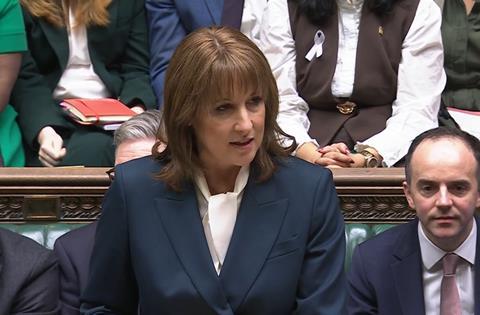
In her Budget speech last year, Reeves said the £2,000 cap would mean “people, especially on low and middle incomes, can continue to use salary sacrifice for their pension without paying any more in tax than they do now”.
The Budget report further stated that the cap “shields 74% of basic rate taxpayers using salary sacrifice”.
However, Webb said the OBR’s report made it clear that the changes aimed at high earners would also have knock-on effects on lower earners who came below the £2,000 cap.
The report stated that employers could seek to increase contributions instead of raising salaries, or reduce wages in exchange for higher pension contributions, in order to offset the National Insurance cost of salary sacrifice for higher earners. However, as this would likely apply across the workforce, lower earners also stood to lose out through reduced income or reduced wage growth.
Similarly, the OBR said some employers may choose to pass through increased costs to employees by reducing wages, pension contributions, or both. Again, this would apply across the board and not just to those directly affected by the £2,000 limit. The OBR estimated that around three-quarters of the cost of the salary sacrifice cap will be passed on by employers.
In addition, if employers decide to abandon salary sacrifice for relief at source arrangements, it would affect all those benefiting from salary sacrifice and not just those subject to the cap.
Damon Hopkins, head of defined contribution workplace savings at Broadstone, said the OBR’s analysis demonstrated “the significant behavioural uncertainty that remains around the salary sacrifice reforms later this decade”.
He continued: “It is clear that the changes will impact many businesses, some significantly. So, assessing the impact now and considering options which help manage costs while still offering a competitive pension benefit to their employees should be an immediate priority.
“And, like the increase to employer National Insurance, the increased cost to employers from this measure will likely fall to workers in some form, such as less generous workplace pension contributions, lower future pay rises, or fewer jobs.”