
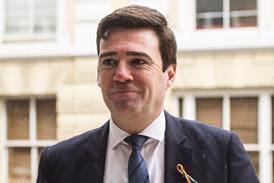







Regulatory expert Richard Knox, who led the Treasury’s work on the Pension Investment Review, is to join the Pensions Regulator’s (TPR) executive leadership team next month, the watchdog announced today (15 January).
Knox will become TPR’s executive director for strategy, policy and analysis and join the board. He is currently co-director of the Financial Services Group at the Treasury, where he oversaw the government’s Pension Investment Review – which directly informed many of the key elements of the Pension Schemes Bill.
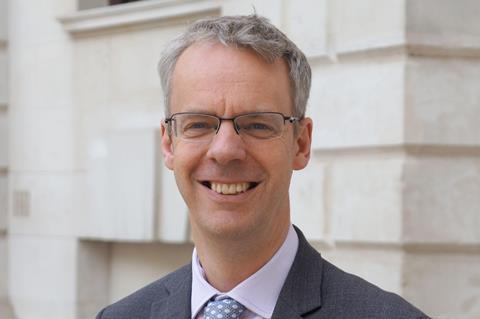
Knox has worked in public policy and financial regulation for more than 20 years and contributed to many significant regulatory developments. He worked on the financial services aspects of Brexit negotiations with the European Union, and also led negotiations on major European legislation governing market infrastructure and retail investment protections. Knox also worked on the Asset Protection Scheme for the Royal Bank of Scotland during the financial crisis.
In a press release, the regulator said Knox’s appointment marked “a significant step in TPR’s transformation to meet the challenges of a rapidly evolving pensions landscape”. It also formed part of its wider “transformation” into a prudential regulator, an approach it has been developing over much of the past 18 months.
Nausicaa Delfas, TPR’s chief executive, said: “Pensions are at a pivotal moment of change and we are continuing to bring in the talent and expertise we need to raise standards of trusteeship, drive value for money and support savers at retirement.
“Richard’s extensive experience and leadership will be invaluable as we work with the government and the market to shape the future of pensions.”
Knox added: “I am looking forward to helping to deliver on TPR’s mission to protect, enhance, and innovate at this important moment of change in pensions. We have a real opportunity to fix unfinished business in the pension system and make sure pensions provide people with a sustainable income to last throughout their later life.”