









Millions of pension savers could miss out on valuable benefits when salary sacrifice rules change, as a new survey has revealed widespread confusion about how the plans work and what is at stake.
Research from Pensions UK published this week showed that, while salary sacrifice is already helping millions of people boost their pensions and monthly take-home pay, many savers do not fully understand the reforms that were announced in November’s Budget and will come into force in April 2029.
The trade body warned that this knowledge gap left large numbers at risk of losing out financially.
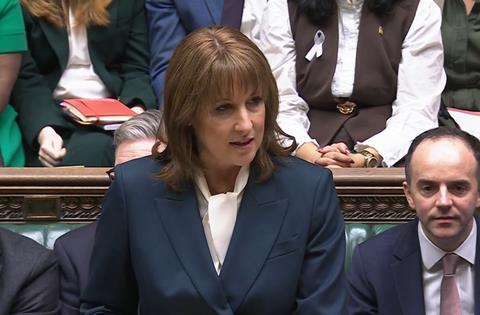
Pensions UK quizzed 1,588 people last month and found that only 41% were aware of the salary sacrifice changes announced by chancellor Rachel Reeves in November.
Awareness was higher among those who already use salary sacrifice, at 63%. In addition, seven in 10 male users said they were aware of the changes compared with 51% of female users.
Expectations on the changes were mixed among those currently using salary sacrifice for pension contributions. Almost two thirds (62%) stated that they believe they would have to pay more national insurance, while half expected to pay more tax.
Just over half (51%) said their employers would face higher national insurance costs, and 46% said they thought less money would ultimately go into their pension.
‘Salary sacrifice works’, argues Pensions UK
Matthew Blakstad, deputy director of strategic policy and research at Pensions UK, said the findings highlighted that a lack of understanding about forthcoming changes could leave millions worse off unless awareness improves before 2029.
“This research should be a wake-up call for the government,” he argued. “Salary sacrifice works. It helps people save more for the retirement they want while maintaining take home pay.
“Instead of dismantling a system that supports savers and employers, the government should consider the knock-on impact these changes will have. The reforms will affect take-home pay and pension pots, but many savers do not even know they are coming.
“The knowledge gap is stark. Confusion about the changes is widespread and risks undermining positive saving behaviours and confidence in the UK pension system.”
When asked how they might respond to the changes, savers showed a combination of resilience and uncertainty. Two in five (43%) said they did not expect to change their pension contributions, while 28% said they are likely to increase contributions before the new rules come into force.
Only 3% expect to reduce contributions ahead of the change, although 11% anticipate reducing contributions once the reforms take effect.
Many savers are also considering alternatives, with 43% saying they would use other savings vehicles such as ISAs.