









More pension schemes are expected to move to a professional sole corporate trustee model over the next 12 months despite greater regulatory scrutiny of providers, according to a new report.
Independent Governance Group (IGG), a professional trustee firm that offers sole trusteeship services, polled 12 advisory firms and found that the majority (83%) expected demand to increase in the coming year. However, for the first time, one respondent expected a “slight decrease” in demand.
Respondents expecting growth in demand pointed to regulatory complexity as a key driver, but also pointed out that more and larger pension schemes were being affected by issues that have previously driven small schemes to appoint a sole trustee.
“For many sponsors, the question is no longer whether [sole trusteeship] works, but actually when it becomes the right option for their scheme.”
Annabelle Hardiman, IGG

Trustee boards continue to face recruitment problems, while regulatory changes are raising the bar for governance standards, IGG reported. In addition, the growing popularity and competitive nature of the bulk annuity market meant there was pressure on trustee boards to move swiftly to secure transactions.
The report also contended that new trusteeship standards proposed by the Department for Work and Pensions have “helped refocus attention on trustee effectiveness and board composition, reinforcing the role of professional trusteeship in meeting higher governance expectations and delivering robust outcomes”.
Trusteeship standards face overhaul as DWP launches consultation
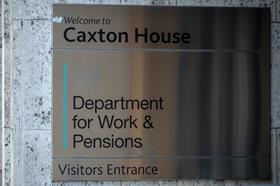
The Department for Work and Pensions last month opened a consultation on strengthening trustee capability, governance structures and administration standards in trust-based workplace pension schemes. It runs until 5 March 2026 and asks whether existing arrangements remain fit for purpose as the pensions market shifts towards fewer, larger schemes and trustees take on new responsibilities. Read the full article.
IGG said that the minority expecting no change or a decrease in demand reflected “market saturation and timing rather than dissatisfaction” with the sole trustee model.
Annabelle Hardiman, trustee director and head of professional corporate sole trustee at IGG, said: “Governance pressures mean sponsors continue to spend a material amount of time on pension matters, with pension schemes constantly having to adapt to market and regulatory complexities while juggling internal resource challenges.
“Doing the right thing for members in this new context often means revisiting what’s worked in the past and weighing up alternatives to ensure sponsors have the best solution in place for today’s realities.”
Hardiman added that sponsoring employers considering a sole trustee arrangement needed to ensure that scheme members and existing trustees were “taken on the journey”. IGG’s report showed that the primary barrier to adopting the sole trustee model was the risk of losing the member voice, while trustee buy-in was also a significant concern.
“The [sole trustee] model has emerged as an attractive and increasingly well-established solution, to the extent that for many sponsors, the question is no longer whether it works, but actually when it becomes the right option for their scheme,” Hardiman said.
The Association of Professional Pension Trustees launched an update to its sole trustee code of conduct in November, designed to reflect the significant increase in take-up of the model since the code was first established in 2021.
New requirements include that incoming professionals fully understand the pension scheme they are taking on, including its trust deed and rules. The new code also instructs trustee firms to “put processes in place to enable the adequate transfer of historic scheme knowledge from outgoing trustees and incumbent advisers”.