












The government has abandoned long-anticipated reforms to the UK’s audit regime in a move that Pensions UK and the Governance for Growth Investor Campaign have described as “disappointing”.
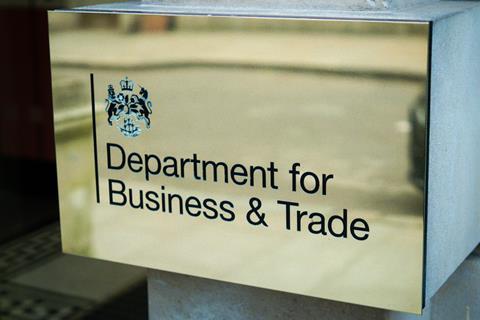
Blair McDougall, the minister for small businesses and economic transformation, wrote to the chair of the Business and Trade Committee, Liam Byrne, yesterday (19 January), explaining that a proposed audit reform bill would not be taken forward.
Successive governments have been working on audit reforms since the collapse of Carillion in 2018, and the current administration pledged to introduce a draft Audit Reform and Corporate Governance Bill in the King’s Speech in 2024. However, the minister said the government had taken the “difficult decision” not to proceed.
McDougall said the decision was based on a desire to reduce the regulatory burden on companies, while also highlighting recent improvements to audit quality since the collapse of Carillion in 2018. He added that the government was “pursuing an ambitious legislative programme” that meant parliamentary time was limited.
“While the planned reforms would be beneficial, some would increase costs on business, and it would not be right to prioritise those over more deregulatory measures,” the minister said.
Pension funds push back against decision
George Dollner, head of strategic policy at Pensions UK, said the decision to scrap the bill was “a missed opportunity to reinforce trust, confidence and resilience in UK capital markets”.
“High-quality audits and sensible corporate governance standards are vital for healthy capital markets and act as a foundation for growth, confidence, and resilience in the UK economy.”
Caroline Escott, Governance for Growth Investor Campaign

“High‑quality audits, clear director accountability and effective audit oversight are fundamental to protecting savers’ money and supporting long‑term growth,” he said.
The government intends to push forward work on streamlining and modernising corporate reporting later this year, McDougall said in his letter, with an “ambitious consultation” planned. It will also legislate to put the Financial Reporting Council, which regulates auditors, onto a statutory footing “as soon as parliamentary time allows”.
However, Dollner said that such work “cannot substitute for widely supported reforms” on issues such as director accountability and audit market oversight, “particularly at a time when pension schemes are being encouraged to invest more in private markets”.
“We urge the government to set out how it intends to address these gaps and ensure the UK’s corporate governance framework remains fit for investors, companies and everyday savers alike,” he said.
Meanwhile, Railpen’s Caroline Escott, who chairs the £150bn Governance for Growth Investor Campaign (GGIC), echoed Dollner’s comments, adding: “High-quality audits and sensible corporate governance standards are vital for healthy capital markets and act as a foundation for growth, confidence, and resilience in the UK economy.”