









Professional trustee firms are to face greater scrutiny of the additional services they provide and of sole trustee appointments, under plans outlined by the government this week.
Following an industry consultation on trusteeship and governance standards, the Department for Work and Pensions (DWP) has said it would work with the Pensions Regulator “to reinforce expectations that trustees ensure advice received is independent and free from undue influence”.
The government stopped short of introducing any formal regulations for professional trustee companies, but said it would continue to “gather evidence” around the services these firms provide.
In addition, the DWP said it would require approval from an existing trustee board to appoint a sole trustee to replace the board. It will also develop a resolution process if a trustee board objects to appointing a sole trustee.
The department said it was “alive to the risks associated with concentrating responsibility” in a sole trustee model, including a greater risk of conflicts of interest.
Tackling conflicts of interest and other risks
In its response to the consultation, trade body Pensions UK said the sole trustee approach was “not inherently unsuitable”, but its use “should be clearly justified by scheme circumstances and supported by governance arrangements that maintain effective challenge and protect member outcomes”.
“Maintaining trustee independence and effectively identifying and managing actual or perceived conflicts of interest are essential to sustaining confidence in the system.”

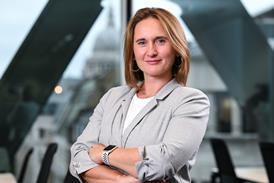
Chintan Gandhi, chair of the Association of Consulting Actuaries (ACA), said that while professional trustee firms could introduce efficiencies by providing additional services, trustees and employers needed to understand “where potential conflicts of interest and concentrations of risk exist, and how they are being managed”.
The ACA reiterated its call for TPR to monitor how professional trustee companies work with schemes, arguing that “greater visibility of connected services provided to individual schemes still merits consideration”.
“Ultimately, as schemes consolidate, trust becomes the common currency,” Gandhi added. “Earning it will require governance delivering consistently good outcomes for members, rather than simply having the right structures on paper.”
Fiduciary duty driving standards, pro trustees say
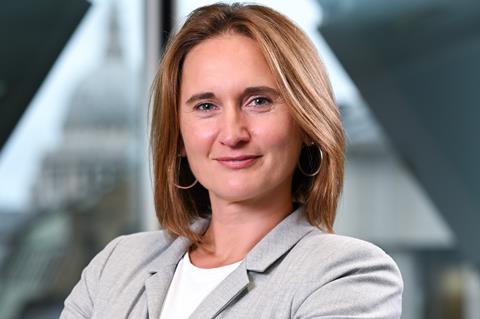
Louise Davey, head of policy and external affairs at Independent Governance Group, said requiring existing board approval to move to sole trusteeship “goes further than simply consulting existing trustees, so the detail will matter”.
“Clear expectations are needed around how approval would operate and how disagreements would be resolved,” Davey added.
The Association of Professional Pension Trustees (APPT) did not directly comment on the sole trustee move, but co-chair Christopher Wheeler highlighted the importance of fiduciary duty in ensuring decisions are made in the best interests of members.
“Trustee commitment and accountability also remain central to the system’s success,” he said. “Trustees’ fiduciary duties, alongside their wider statutory and regulatory responsibilities, provide a clear framework for ensuring that decisions are made in members’ best interests.
“Maintaining trustee independence and effectively identifying and managing actual or perceived conflicts of interest are also essential to sustaining confidence in the system.”
The government is currently consulting on new guidance around fiduciary duty, which was launched last week.