









David Fairs, a former TPR executive and now chair of the Pensions Administration Standards Association (PASA), looks into what the rapidly evolving pension landscape means for administration providers.

We’re now entering the closing stages of the Department for Work and Pensions’ (DWP) consultation on trusteeship and administration, launched just before Christmas.
It’s been pleasing to see the pensions minister’s keen interest in the consultation through a number of ministerial roundtables over the last few weeks, and also his knowledge and understanding of market dynamics.
Through the Pension Schemes Bill, the government is driving significant change across the pensions market. The drive to consolidate master trusts and group personal pensions so they achieve a minimum default fund size by 2030 or 2035, combined with proposals for value for money metrics in the wider defined contribution (DC) market, will accelerate consolidation both in the master trust sector and the wider DC landscape.
The government will also facilitate consolidation in the defined benefit (DB) market with a new authorisation regime for DB superfunds. Rumours are rife that this new regime and a greater clarity of regulatory approach are already encouraging a number of organisations to consider entering the superfund market.
“Fewer schemes will likely mean fewer but larger investment mandates, actuarial advisers, and advice providers. While the market will adapt, the challenges are more acute in the case of administration.”
David Fairs, PASA
A thriving superfund market may, in turn, prompt more schemes to consider a superfund transaction, particularly if the effectiveness of the Pensions Regulator’s (TPR) gateway test coincides with new surplus extraction proposals, broadening the target market considerably.
Separately, this summer should see further progress in the regulatory framework to permit unconnected multi-employer collective DC (CDC) arrangements.
Taken together, these changes will drive a market with fewer but significantly larger pension schemes.
Raising the governance bar
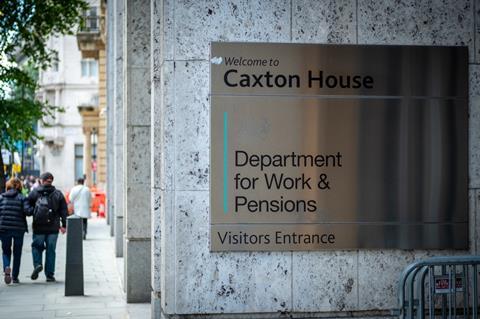
Against this backdrop, it’s easy to see why the DWP is interested in trusteeship, professional trustees, and the rise of the professional sole corporate trustee. In a consolidating market, commercial pressures become more acute, resulting in larger and more complex conflicts. Quite rightly, the consultation asks whether these larger, systemically important DC megafunds require a higher level of governance and oversight than a regular occupational scheme.
But the challenges don’t just arise in the areas of governance and oversight. They affect all players in the market. Fewer schemes will likely mean fewer but larger investment mandates, and fewer actuarial advisers and advice providers. While the market will adapt, the challenges are more acute in the case of administration.
The minister recognises that changing administrator is not a simple or quick task. A sudden withdrawal or collapse of a third-party administrator would create immediate challenges.
The first priority would be continuing to pay pensions. Payroll providers could likely ensure pensions in payment continue, but more complex events such as retirements and deaths would quickly become problematic. This is why the Pensions Administration Standards Association is working with TPR and the Pension Protection Fund to consider how the industry should respond to such an event.
However, consolidation and new arrangements such as CDC, superfunds and DC megafunds also present new opportunities. Opportunities to innovate and to improve engagement and communication with members.
The next few years will be challenging, but they should be rewarding for everyone in pensions, particularly those in administration.
David Fairs is chair of the Pensions Administration Standards Association.