






Many savers are not on course for the retirement they expect, according to Pensions UK’s latest update to its influential Retirement Living Standards.
The latest figures show that a minimum retirement lifestyle now costs £13,900 a year for a single person and £22,500 for a two-person household. A moderate lifestyle costs £32,700 for one person and £45,400 for two, while a comfortable lifestyle costs £45,400 and £62,700 respectively.
The standards, calculated by the Centre for Research in Social Policy at Loughborough University, are designed to help people picture different retirement lifestyles and the costs attached to them.
Pensions UK expects around 82% of the working population to reach the minimum standard of living in retirement. However, this falls to 23% reaching a moderate standard and 9% reaching a comfortable standard.
“Without action, too many risk facing a cliff-edge drop in income when they stop work.”
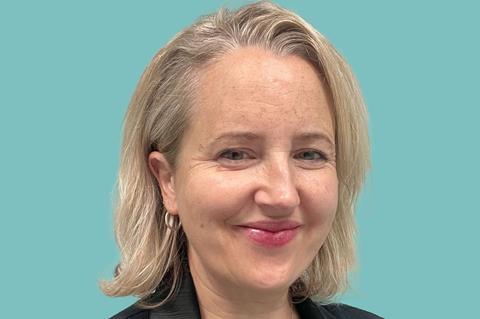
Zoe Alexander, Pensions UK
The update comes as the Pensions Commission considers whether minimum automatic enrolment saving rates need to rise.
Zoe Alexander, executive director of policy and advocacy at Pensions UK, said: “Without action, too many risk facing a cliff-edge drop in income when they stop work. The government is right to be considering whether minimum contributions need to rise through the work of the Pensions Commission.”
The renting problem
The Retirement Living Standards do not include housing costs, which Pensions UK said vary significantly depending on location and personal circumstances.
Some people will retire mortgage-free, while others may still be renting, paying off a mortgage or facing major life changes later on. Pensions UK said individuals should use the standards as a guide and adjust them to reflect their own situation.
The figures reflect higher costs across food, essential household bills and transport, as well as social activities and hobbies.
Pensions UK said the standards should help savers consider the retirement they want and save more money where possible. It also called for more action from employers to help close the retirement savings gap, including keeping people enrolled and offering higher contributions where possible.
Alexander concluded: “We also encourage people to speak to their employer and see whether the organisation is prepared to support them to save above the minimum, such as higher rates of matching pension contributions. This could help ‘bridge the gap’ until policy catches up and we see higher savings levels set in legislation.”