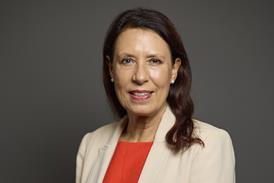
Philip Hodges, a director at Guiide, makes the case for pension schemes providing greater assistance to members to understand all their retirement savings and prepare to draw an income.

At a recent Pensions Management Institute (PMI) event, I had the opportunity to lead a session on guided retirement and trustee responsibilities.
Among the numerous topics covered was one simple question: how much does it actually cost to retire?
Take a straightforward example of someone retiring today at 65 wanting a moderate retirement income of £33,000. They won’t get a state pension for another two years, they need to consider how long they will live, and, in this case, they want half of their savings used to buy an annuity.
Based on Guiide modelling, they could do it with pension savings of around £540,000.
The figure itself generated discussion, but what resonated most was the gap between that requirement and the reality facing many savers today; just 5% of retirees have this level of pension savings.
The median 65-year-old has around £80,000 in pension savings and approximately £29,000 in non-pension savings. Left in isolation, those resources could be exhausted well before life expectancy, leaving individuals increasingly dependent on the state pension later in retirement.
This presents a significant challenge for the pensions industry.
For years, the default position has been on helping people accumulate pension savings. However, we need to recognise that retirement outcomes are determined not simply by the size of a pension pot, but increasingly by how all available resources are used to generate sustainable income throughout retirement.
The problem with scheme-level thinking
Most pension schemes do a good job of explaining the benefits they provide, but members don’t retire using a single pension scheme – they retire using every source of income at their disposal.
“DC savers need career-level support: retirement planning that embraces all sources, not just the one pot they have with their current scheme.”
Philip Hodges, Guiide
That often includes defined benefit pensions, defined contribution pensions, state pension entitlement, ISAs, other savings, housing equity and wealth and, increasingly, continued employment beyond traditional retirement age.
When support is limited to the benefits held within one scheme, members are often left to join the dots themselves. The risk is that decisions are made in isolation, creating poor outcomes through unnecessary tax, inefficient use of assets or simply running out of money too early.
At the PMI event, the consensus was that DC savers need career-level support: retirement planning that embraces all sources, not just the one pot they have with their current scheme.
Recognising the risk of doing less

This consensus was reached after discussing a number of member cases with clear recognition that doing the minimum is becoming increasingly difficult to justify.
Historically, many trustees have been cautious about signposting advice or guidance, concerned about liability and regulatory boundaries. It’s encouraging, certainly from the views of attendees, that this conversation is changing.
Trustees are increasingly recognising the risks of providing too little support. Poor decisions, scams, unnecessary tax bills and inadequate retirement planning can all result in poor member outcomes and, ultimately, complaints.
Promisingly, there was broad agreement that members should have access to greater support, whether through vetted adviser panels, third-party services, or guided retirement solutions.
The case for career-level retirement planning

The strongest theme to emerge from the session was the need to move beyond narrow, scheme-level retirement planning. Retirement must be recognised for what it truly is – a major life event, not just a pension scheme event.
To achieve the retirement they want, people need a broader, more holistic approach. This helps them understand exactly how all their various assets and income sources work together.
The industry’s ultimate challenge is shifting from simply providing information to enabling better decisions. The next step is delivering this support consistently and at scale.
When someone asks how much it costs to retire, the answer is about making everything work together sustainably.
Philip Hodges is a director at Guiide. All retirement income and pensions savings data sourced through a combination of official UK government data and pension industry analysis.