









Industry experts have urged the government not to undo the flexibilities introduced through pension freedoms when developing guided retirement as a policy.
The Department for Work and Pensions (DWP) published its consultation on guided retirement rules this week, which will require all defined contribution (DC) pension schemes to offer a default option for members to draw down on their retirement savings.
The consultation, published in partnership with the Pensions Regulator and the Financial Conduct Authority (FCA), is open until 22 December.
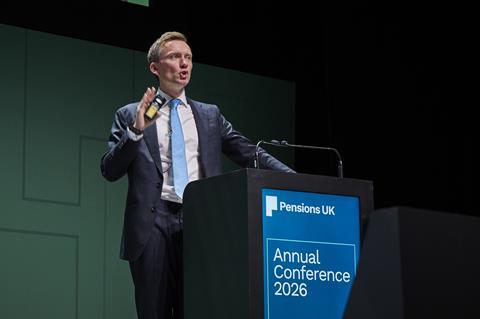
Pensions minister Torsten Bell said the government was “resurrecting proper pensions”. He added that guided retirement, in tandem with proposed rules on collective defined contribution schemes, would offer people “the option of an income that lasts throughout retirement and, in many cases, protection against the rising cost of living”.
“Private sector workers deserve a much better deal when it comes to pensions,” the minister said. “They are doing the right thing and saving for retirement, but when they get there too many are left without a genuine pension…
“We are going to give pensions back to the people who are working hard and saving for their retirement.”
“It is vital that the focus on retirement income does not destroy ‘freedom and choice’ in pensions, which has been popular with savers and given valuable flexibility to hundreds of thousands of people in the last decade.”

Steve Webb, partner at LCP and pensions minister when freedom and choice was introduced in 2015, praised the guided retirement concept but urged his successor not to overpromote lifetime income offerings at the expense of individual choice.
“There is a danger that the government’s hostility to pension freedoms will lead them to promote ‘lifetime income’ solutions too heavily,” Webb said. “If people want a secure income for life, the option of buying an annuity has always been there, but very few people freely choose it.
“Many people will have a good level of secure income – especially in the case of a couple with two full state pensions and some other pension income – and may prefer the flexibility to take their DC pot in ‘chunks’ as needed, rather than spread thinly through the decades of retirement.”
Jon Greer, head of retirement policy at Quilter, said: “We have spent decades improving the way people save into pensions, but comparatively little time thinking about how they should turn those savings into an income that may need to last for 30 years or more.
“Default retirement solutions can help, particularly for those who do not want to navigate complex decisions themselves. But they should be a safety net rather than a straitjacket. People must retain the flexibility to choose a different approach and access personalised advice where appropriate.”
“Defaults made auto-enrolment work, and we support them at retirement too, but designing a default for retirement is much harder than designing one for saving. If we get the design wrong, we will get the outcome wrong… Solutions must be built around how retirement is changing.”

‘Preserve choice’, government urged
Several pension providers, including Nest and Aviva, have already established or are working on post-retirement systems for members who do not make a decision when they reach retirement age.
These are designed to reduce the pressure on individuals to make significant, irreversible financial decisions in a short timeframe or without any support.
Yvonne Braun, director of long-term savings policy at the Association of British Insurers, agreed that it was “important that people continue to have the freedom to make their own decisions”.
“We’re pleased to see the government and FCA set out their plans, but the devil will be in the detail,” Braun said. “For these rules to work in practice, people need a clear and consistent journey when accessing their pension. We’ll continue to work with the government and both regulators to help shape the final rules.”
Mark Futcher, head of DC pensions at Howden Employee Benefits, said: “A decade on from pension freedoms, we must preserve the choice that has allowed people to shape retirement around their own needs. The most important thing is ensuring this flexibility goes hand in hand with security.”
He added that there was “merit in revisiting” drawdown rules, which require a minimum annual income of £12,000 to access flexible arrangements.
“These changes certainly nudge things in the right direction, but they’re no silver bullet,” Futcher said. “People need both a secure foundation, and room to adapt.”
“It is important that the new framework aligns with the wider policy landscape, and we are pleased to see recognition that Targeted Support and guided retirement can work together. Bringing these together creates a significant opportunity for us to provide savers with greater guidance and support in navigating the complex choices they face when approaching retirement.”

“We’re pleased to see the government and FCA set out their plans, but the devil will be in the detail. For these rules to work in practice, people need a clear and consistent journey when accessing their pension.”

Engagement remains important

Recent research by Standard Life found that only a third of people aged 50 and over felt confident making decisions about turning their pension pot into an income.
However, Emma Furlonger, managing director of workplace and retail intermediary at Standard Life, argued that default options should be designed as “an important guardrail” rather than replacing engagement efforts.
“People should understand the approach being offered, have meaningful opportunities to consider whether it remains right for them and retain the freedom to choose an alternative,” Furlonger said. “Strong alignment” between the DWP and regulators was necessary to ensure the success of guided retirement, she added.
Alongside the consultation, the DWP and the regulators published examples of how an individual could be guided through the retirement process, including what providers should do if people do not engage.
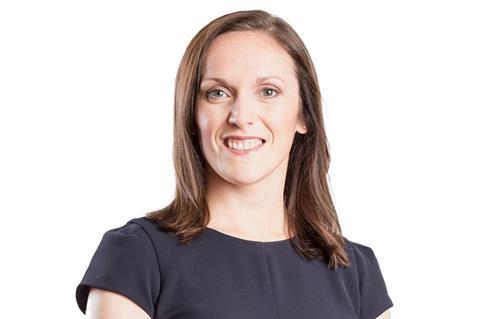
Kathryn Fleming, head of DC consulting at Hymans Robertson, said the consultation was “an important next step in moving away from a world where millions of savers are expected to become retirement experts, just at the point they reach one of the most complex financial decisions of their lives”.
“However, guided retirement will only fulfil its potential if the end results genuinely improve the member experience,” Fleming continued. “That means high-quality defaults that reflect member needs, support better behaviours and outcomes, and are complemented by effective communication and engagement…
“The aim is significant: turning retirement from a series of difficult choices into a journey where people get much more support to achieve a good outcome.”