


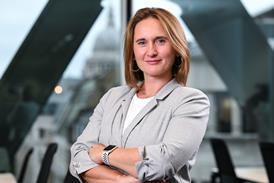





In an increasingly complex pensions landscape, Bill Jangra, a member of the Society of Pension Professionals (SPP), reflects on the importance of keeping members at the heart of every trustee decision, challenging established ways of working, and ensuring that the processes we inherit continue to serve the people they were designed to protect.
I am writing this sitting in London, a city where the past and present coexist remarkably comfortably. Sometimes quite literally. In centuries past, some redundant iron cannons were set into London’s streets and given a second life as bollards.
I rather like the principle of respecting what you inherit, but not assuming it must always be used in the way originally intended.
After nearly three decades working in pensions, I wonder whether that is an increasingly useful principle for our industry too. Pensions have accumulated their own history. Rules, processes and ways of working, usually for good reasons.
Many continue to serve members extremely well. But the fact that something worked yesterday doesn’t necessarily mean it remains the best way to serve members tomorrow.
Keeping the member at the heart of decisions
Amid all the complexity of modern pensions, our purpose remains remarkably simple: there is a member at the end of every decision we make.
Over the years, I have watched trusteeship become more sophisticated. Governance has moved well beyond the buzzword, data has become richer and more useful, and trustees have access to high-quality professional advice. That is real progress.
But there is a risk in any sophisticated ecosystem that the process becomes easier to see than the person it was designed to serve. There is a risk that we become better at measuring our process than understanding the experience it produces.
A member approaching retirement doesn’t experience a governance framework. They experience whether their benefits are correct and paid on time, whether communications make sense, and what their pension means for the life ahead. They probably neither know nor care how many meetings, advisers, policies and controls sit behind that experience. Nor should they need to. What matters is whether all that machinery works for them.

That leads me to a question I find useful around a trustee table: what does this actually mean for the member? I think of it as the ‘so what?’ test.
Does a member really need a 10-page letter because every page genuinely helps, or because that is what we have always sent? Does a process still protect members, or has its original purpose disappeared? Are we communicating in language members understand, or language that makes perfect sense to those who wrote it? And when emerging technology offers new possibilities, are we starting with the technology, or with what members actually need?
The value of different perspectives
My own perspective has been shaped by my experiences, not least a career that began in pensions administration. Our past influences the assumptions we bring to decisions about the future.
“Good stewardship means understanding why something exists, whether it still works, and whether it continues to serve members well.”
Bill Jangra, SPP
What seems obvious to me may be questioned by others, not because either is wrong, but because they have travelled different paths. That diversity of perspective matters when it prompts somebody to ask the question others may have missed and brings the discussion back to the member.
Experience hasn’t given me all the answers, but it has made me more curious about the questions. Good stewardship means understanding why something exists, whether it still works, and whether it continues to serve members well.
There are two questions worth taking into your next trustee meeting:
- What does this mean for the member?
- If we were designing this today, would we still do it this way?
Finding new purpose in what we inherit
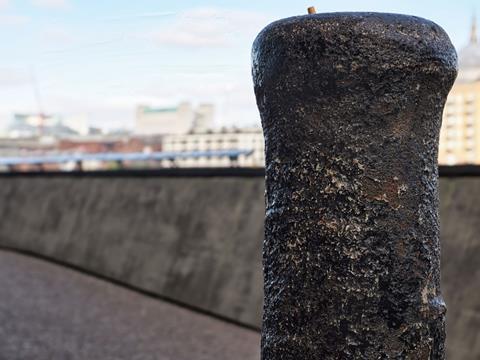
Which brings me back to those London bollards. A redundant cannon did not cease to have value simply because its original purpose had disappeared. Someone considered what was needed and found another use for it – one considerably more peaceful than the first. Perhaps trustees occasionally do the same.
Processes, regulation and technology will continue to evolve. But amid all that change, one thing should remain constant: the member behind the number. Let’s make sure we never lose them.
Bill Jangra is a member of the Society of Pension Professionals.