




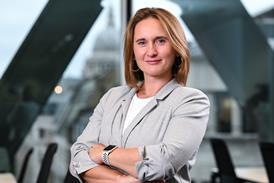



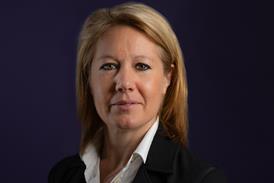


The government is taking the right approach to fiduciary duty in planning guidance rather than legislating, according to the chief executive of the Universities Superannuation Scheme (USS).
Carol Young, who leads the £73bn pension scheme for the higher education sector, said the decision would prevent adding further complexity to trustees’ decision-making processes.
At the start of December, pensions minister Torsten Bell told MPs that the government would “develop statutory guidance for the trust-based private pensions sector” on a wider interpretation of fiduciary duty.
Speaking on a panel at the Pensions UK Investment Conference in Edinburgh, Young said fiduciary duty was “elegant” and “well established”. It “should not be the sledgehammer to crack every problem in the pensions industry”, she continued, emphasising that “you mess with it at your peril”.
“We are very clear on our current duty to act in members’ best financial interests, and it has not constrained us from thinking about systemic issues like climate.”
Carol Young, USS
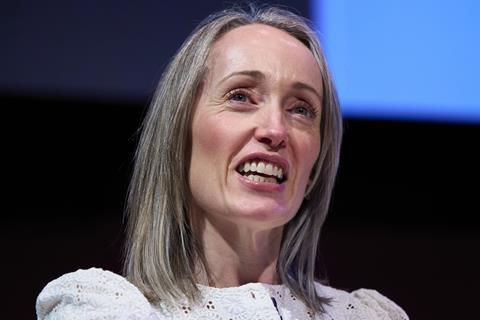
Young was responding to comments from Catherine Howarth, CEO of ShareAction, who said that a proposed amendment to the Pension Schemes Bill tabled by Labour MP Liam Byrne “was an attempt to provide clarity in statute that within the existing requirement to secure financial returns, trustees may consider system level risks”.
Byrne put forward the amendment when the bill was in the House of Commons. It was rejected, but prompted the pensions minister to explain the government’s plan for fiduciary duty guidance.
Young said her primary concern with the Byrne amendment was that it would not clarify, but complicate and that “a properly resourced [scheme] with trustees, capable of exercising skilled judgement and properly updated on their trustee knowledge and understanding, should be perfectly capable of using what exists today to make these types of complex decisions”.
USS’s Young said: “There is no shortage of people who want to tell trustees where they should direct their capital in order to further objectives that are not the primary objective of acting in members’ best financial interests.”
Trustees who feel under pressure or want a degree of security, “should take a deep breath and go back through what they’re there to do and what they’re trained to do”, she said.
Fiduciary duty is a constraint, but a positive one, given the importance of the role of trustees, Young continued. Trustees shouldn’t feel completely unconstrained and should welcome any clarification the guidance provides, she said.
“We are very clear on our current duty to act in members’ best financial interests, and it has not constrained us from thinking about systemic issues like climate,” Young explained.
“Trustees don’t have to make perfect decisions, but they do have to make well-considered, well-evidenced decisions.”
This article was updated on 12 March to correct a quote attribution in the seventh paragraph.
Pensions UK Investment Conference
All the coverage from the three-day industry gathering in Edinburgh.
- 1
- 2
- 3
 Currently
reading
Currently
reading
‘Mess with fiduciary duty at your peril’: USS chief welcomes government approach
- 5
- 6
- 7
- 8
- 9
- 10
- 11
- 12