










Leading pension scheme investment bosses have highlighted the importance of appropriate governance processes to help navigate periods of volatility.
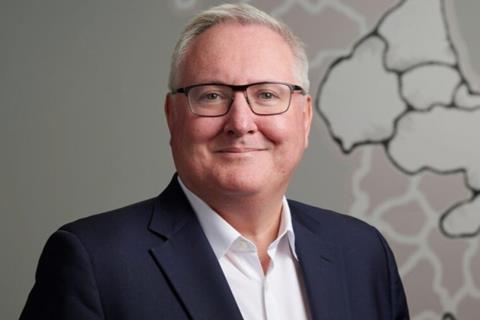
On a panel discussion at the Pensions UK Investment Conference in Edinburgh this week, senior representatives from three of the UK’s largest pension managers explained that clear delegation and communication were key to successfully navigating volatility.
Joe McDonnell, chief investment officer at Border to Coast Pensions Partnership, said his asset allocation committee had been meeting “more frequently” in recent weeks to assess the developing situation in the Middle East, among other emerging risks.
He highlighted three primary considerations that had affected decision-making in the past couple of months: equity market volatility linked to artificial intelligence concerns; war in the Middle East; and liquidity concerns in private credit.
“The reality is, I don’t know in the medium to long term which those three will actually be the dominant theme,” McDonnell said. “Our asset allocation committee has met more frequently over the last couple of weeks. We’re looking at a range of risk metrics to get comfortable with.”
“Volatility is always a feature of markets. It always feels uniquely uncertain when you’re in the moment, but I’m not sure that’s actually true.”
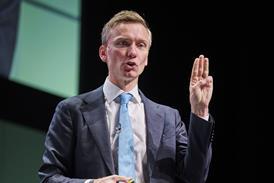
Dan Mikulskis, People’s Partnership
Putting recent events into the context of market reactions to the Covid-19 pandemic and Russia’s invasion of Ukraine, McDonnell said the current situation was “not what I would consider a market correction, but it’s something we have to be concerned about”.
He added that his team was exploring scenario analyses to understand “how bad things can get”.
Investing in turbulent times
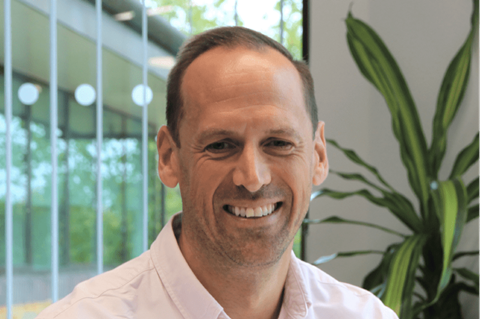
Dan Mikulskis, chief investment officer at People’s Partnership, added: “When investing in turbulent times, I always come back to the processes and systems you have in place, because the reality is it’s always uncertain…
“Volatility is always a feature of markets. It always feels uniquely uncertain when you’re in the moment, but I’m not sure that’s actually true.”
Last year, the People’s Partnership established an investment subsidiary as part of a governance restructure to prepare for significant growth in assets under management. Mikulskis said features such as the accessibility of senior team members and clear delineation of responsibilities made navigating difficult periods more straightforward.
“We know exactly what parameters we have to operate in and when we need to [take decisions] to the trustees,” he explained. “We settled that up front, because it’s really easy not to do that and then suddenly you’re in a scenario and you’re unsure, ‘can we do that?’”
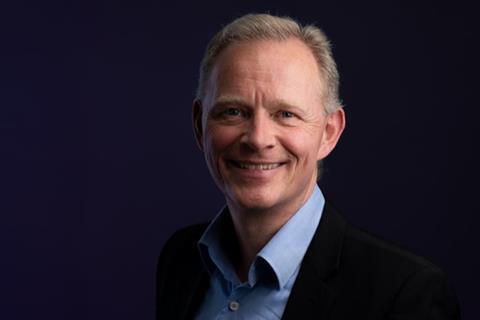
Mads Gosvig, chief officer for pension investment at Railpen, emphasised the need for a long-term view.
“We also have, more importantly, the power to back that,” he continued. “We have a very strong trustee board that knows we are there for the long term. Panic is not something that comes up, which means we can invest for the long term.
“That’s not something that comes on its own. We have processes in the organisation to run the investments, to be prepared if we need to do something, and to be ready to seize the opportunities that come out of almost any crisis.”
Pensions UK Investment Conference
All the coverage from the three-day industry gathering in Edinburgh.
- 1
- 2
- 3
- 4
- 5
 Currently
reading
Currently
reading
How the UK’s largest pension schemes have navigated recent volatility
- 7
- 8
- 9
- 10
- 11
- 12