










The rise of artificial intelligence (AI) could significantly worsen economic inequalities unless more people are brought into saving and investing, according to BlackRock chief executive Larry Fink.
In his latest annual letter to investors and shareholders, Fink argued that considerations around the use of AI should not just include how such technology might affect jobs, but also who stands to benefit from the value it creates.
“There’s a real risk artificial intelligence could widen wealth inequality if ownership does not broaden alongside it,” Fink wrote.
He added: “When we talk about the economic disruption of AI, most of the conversation is about jobs. That’s an enormously important question… But history suggests that transformative technologies create enormous value, and much of that value accrues to the companies that build and deploy them, and to the investors who own them.”
“If we want more people to share in future growth, we have to make long-term investing easier, broader, and more accessible.”
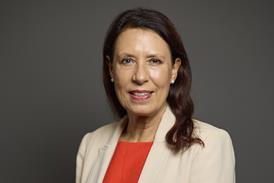
Larry Fink, BlackRock

Fink linked that warning to a broader concern that many households no longer feel they are participating meaningfully in economic growth. He argued that if “prosperity is increasingly being created in the capital markets, part of the answer is to make sure more people are invested in them”, so they can “share in the growth already taking place, not just watch it from the sidelines”.
The BlackRock chief executive and chairman also argued that older routes to wealth-building – such as home ownership – were proving less reliable. “If we want broader participation in economic growth, we cannot rely on a single asset, purchased later and later in life, to carry that burden alone,” he explained. He added that if people no longer believe their job is a path to success, or that owning a home will build wealth, “then the economy doesn’t feel like it’s working for you”.
Retirement saving and wider capital markets access were at the centre of the solution, Fink contended. Some countries were already looking at ways to expand participation, he continued, citing “early wealth-building accounts” in the US, smartphone-driven market access in India, pension reform in Germany, and policy changes in Japan that helped bring millions of new investors into the market over the past three years.
Fink said AI was one of several forces likely to reshape how wealth is created and distributed in the years ahead. He also pointed to geopolitical fragmentation, infrastructure demands and the shift towards what he described as greater economic “self-reliance” as part of the backdrop to that change.
Finally, he argued that the policy challenge was to ensure that broader groups of people could participate in long-term market returns. “If we want more people to share in future growth,” Fink concluded, “we have to make long-term investing easier, broader, and more accessible.”