









As COP31 in Türkiye draws to a close, Rebalance Earth co-founder and CEO Rob Gardner looks into the importance of water and related risks to pension investors and trustee boards.
At COP31 in Antalya, Türkiye, this month, representatives of around 40 major pension funds, insurers and sovereign wealth funds raised concerns that climate change threatened financial stability and long-term investment returns.
The World Meteorological Organisation also warned that a strengthening El Niño could increase the risk of extreme weather into 2027. Just weeks earlier, the UN Biodiversity Conference in Armenia reviewed progress against the world’s biodiversity targets and found that fewer than half of the national targets assessed were on track for 2030.
Together, the conferences highlight a material risk to pension trustees: climate change and nature degradation affect the economic foundations on which members’ retirement incomes depend.
The importance of water

I think water makes this tangible. In Britain, we face too much, too little and too dirty. Flooding damages transport links and commercial property; drought constrains industry and agriculture; pollution raises costs for water companies and their customers.
When these disruptions hit corporate revenues, operating costs or asset values, they can weaken returns for equity and bond investors and, in some cases, the employer covenant supporting a defined benefit scheme.
Pension schemes may hold diversified portfolios, but their assets can still depend on the same rivers, natural infrastructure and supply chains. That is why the systemic risk raised at COP31 deserves a response that goes beyond adjusting portfolio weights.
A useful starting point is Cushon Master Trust’s framework for climate investing, which distinguishes portfolio decarbonisation, real-world decarbonisation and portfolio resilience. Applied more broadly to climate adaptation and nature, I see three complementary responsibilities: stewardship, investing in real-world solutions, and building portfolio resilience.
Stewardship, solutions, and resilience
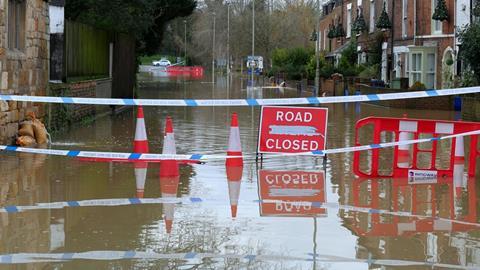
The first is stewardship. Pension funds, through their managers, can challenge companies to identify critical sites and suppliers exposed to flooding, drought and water pollution, quantify the financial consequences and show how adaptation features in capital expenditure decisions.
The discussion should extend beyond a company’s direct operations. Where a railway, electricity network and water utility all depend on one catchment, investors should ask whether working together would reduce risk more economically than each acting alone.
The second is investing in real-world solutions. Restored wetlands, floodplains and soils can help slow, store and clean water alongside conventional infrastructure. If beneficiaries can value these services and commit to long-term payments for measurable outcomes, restoration may generate investable cashflows.
Pension investors are right to be selective. A recent investor survey found that about two-thirds of respondents prioritised risk-adjusted returns, while only one-third expected to increase allocations to private markets.
These investments must therefore be underwritten on counterparty credit, contract duration, independent verification, liquidity, valuations and downside risk. Local economic or ecological benefits matter but cannot replace financial discipline.
The third is portfolio resilience. Trustees should examine how physical climate and nature risks propagate through holdings and how their investments could perform under different scenarios. A water-stressed region can affect multiple companies and sectors simultaneously.
Work for pension schemes
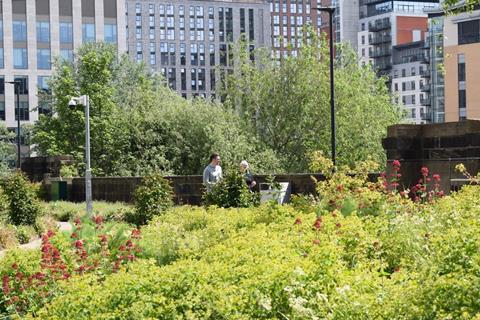
For defined benefit schemes, the sponsor covenant matters too; for defined contribution, the focus is on long-term member outcomes. Investing in restoration is place-based and does not automatically hedge water risk elsewhere in a pension portfolio.
However, where the financial case stands on its own, investing in a more resilient Britain can support productive UK assets and the places where members live and retire.
These are connected but distinct choices. Stewardship influences how companies manage risk; investing in real-world solutions can help reduce risk at source; and portfolio resilience prepares schemes for the risks that remain.
If the UN Biodiversity Conference showed how much work remains to restore nature, COP31 has made clear why long-term asset owners cannot afford to treat those risks as somebody else’s problem.
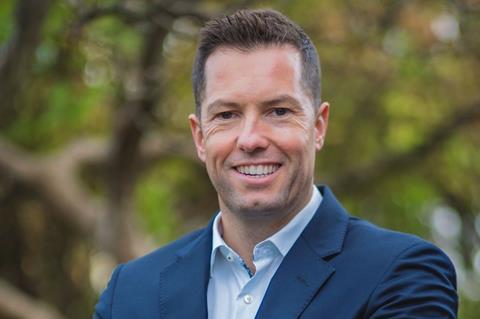
Robert Gardner is chief executive officer and co-founder of Rebalance Earth.