










Running costs for defined benefit (DB) pension schemes have increased by a third on average over the past 12 months, according to new research from TPT Retirement Solutions.
It is the second year in a row that TPT’s research has shown significant increases in DB scheme running costs, after last year’s study reported a 37% year-on-year average rise.
Legal services were the primary driver of increasing costs, cited by 37% of trustees, with technology and data services closely following at 34%.
The findings suggested that cost pressures were not being driven by one dominant factor, with governance and administration services both cited by 28% of trustees as the biggest influence on costs.
“The data suggests that size alone does not insulate schemes from these pressures, with the steepest increases being reported among the larger schemes that responded.”

Similarly, 27% of trustees pointed to covenant services as a major driver. Substantial projects such as pensions dashboard readiness and GMP equalisation were cited by similar proportions of respondents.
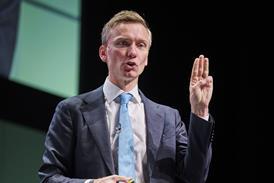
Jonathan Jackaman, head of client relations at TPT Retirement Solutions, said rising scheme costs were no longer simply a budgetary concern but instead had become a strategic challenge for trustee boards to navigate.
He added: “Trustees are spending more on the building blocks of good governance, from legal support and administration to data and governance itself. And the data suggests that size alone does not insulate schemes from these pressures, with the steepest increases being reported among the larger schemes that responded.”

While Jackaman said consolidation “can be one way to manage that complexity more efficiently” by reducing duplication and providing access to specialist capabilities, the research indicated that this was not a guarantee of lower costs. Schemes with more than £1bn in assets tended to report bigger year-on-year cost increases, according to TPT’s data.
More than two in five (44%) of trustees overseeing schemes with £1bn or more in assets reported running cost increases of more than 50% over the past year, compared with just 7% of those overseeing schemes below that threshold.
The divergence was even more pronounced at the upper end of the range, as none of the trustees overseeing schemes below £1bn in assets reported cost increases of over 76%, compared with 18% of trustees managing schemes with assets above that threshold.
However, Jackaman contended that consolidation was not purely aimed at cutting costs, but also ensuring that time and resources were “focused where they can have the greatest impact on long-term strategy in order to improve outcomes and continue delivering for members”.