









Capita has been stripped of its contract to administer the Royal Mail Statutory Pension Scheme, the government announced today.

Nick Thomas–Symonds, the paymaster general and Cabinet Office minister, told MPs that he had terminated the contract, citing a “failure to meet critical transition milestones” and a “lack of confidence” in the company’s ability to move to a new operating model.
He said: “Capita had an 18-month transition [period]. They failed to deliver on numerous milestones, including a failure to implement required IT automation.
“The Cabinet Office repeatedly flagged delays in transition milestones and IT automation, ultimately issuing formal correspondence to reaffirm the mandatory requirements.
“To ensure members are protected, we will ensure continuity of the existing contract, but let the message be clear: We will not tolerate delivery failure from contracted partners.”
A spokesperson for Capital said: “Capita has administered the Royal Mail Statutory Pension Scheme since 2018, and we will continue to support its members during the transition period, working closely with the Cabinet Office to ensure continuity of service for members.”
The Royal Mail Statutory Pension Scheme is run by the Cabinet Office and serves postal service workers with pensions accrued before 1 April 2012. It is an unfunded defined benefit scheme with more than 342,000 members and approximately £28.2bn in liabilities.
Capita comes under fire again over CSPS
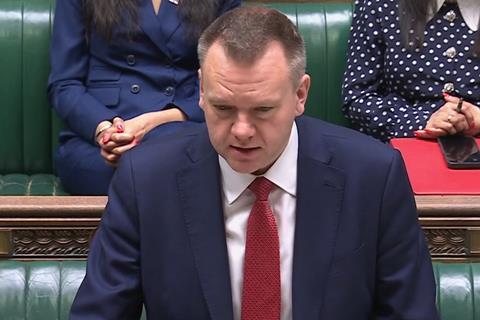
Thomas-Symonds also criticised Capita over its handling of the Civil Service Pension Scheme. The minister said he had previously been given assurances by Capita’s chief executive officer Adolfo Hernandez that backlogs would be handled, but service delivery “has fallen far short of the required standard”.
Capita took over the administration of the Civil Service Pension Scheme in December from myCSP. It inherited significant issues, and subsequent problems have required the government to step in to provide additional personnel and hardship loans to people unable to access their retirement savings due to the delays.
Thomas-Symonds said Capita was aware of the administration issues before it took over the contract but “failed to deliver the IT automation and functionality required at go-live”. In addition, he said, there was a backlog of correspondence from MPs acting on behalf of constituents that had gone unanswered by Capita.
The minister said he was prepared to use “all commercial levers available” against Capita if it does not meet its targets to clear backlogs and restore services in the next few months. This included withholding “milestone payments”.
“It is simply unacceptable that this is allowed to continue when a clear alternative exists in bringing civil service pensions back in-house.”
Fran Heathcote, PCS
The Capita spokesperson said: “We are very sorry for the serious issues that have been raised regarding our performance on the Civil Service Pension Scheme and the impact on its 1.7 million members.
“We recognise the distress this has caused and the strength of feeling being expressed. We take full responsibility for addressing these issues. Our focus is on ensuring members receive the service they expect and deserve, and on putting things right as quickly as possible.”
Union calls for lessons to be learned from Royal Mail
The Public and Commercial Services Union (PCS) welcomed the decision on Royal Mail and called for a similar choice to be made for the Civil Service Pension Scheme.
“When a contractor fails, contracts can and should be ended,” said Fran Heathcote, general secretary of the PCS. “The same must apply to the Civil Service Pension Scheme.
“We have consistently raised the alarm as civil servants and pensioners have been left in distress, facing delays and errors in the payments they rely on.
“It is simply unacceptable that this is allowed to continue when a clear alternative exists in bringing civil service pensions back in-house. The government must now act with urgency, end Capita’s contract, and prevent further failure.”
Clive Betts, a Labour MP, pressed Thomas-Symonds on whether an in-house team could be set up to take on the scheme’s administration.
The minister responded: “[Insourcing] clearly is the government’s pledge, and our policy going forward. With regard to the Royal Mail Statutory Pension Scheme, we will look at a range of options in both those categories to ensure that we get the very best possible service for those who deserve it and rely on it.”