








Pension schemes need to work on delivering measurable stewardship outcomes if they want to deliver value for members, according to Railpen.
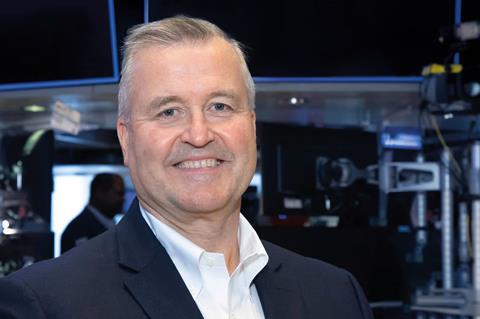
At the Pensions Management Institute’s (PMI) annual conference session in London last week, Matt Lomas, investment manager for sustainable ownership at Railpen, told delegates how the scheme had updated its systemic stewardship strategy.
He explained how Railpen, which manages around £34bn on behalf of 350,000 members of the industry-wide pension scheme for the railways sector, recently refreshed its stewardship strategy through to 2030.
He said: “We wanted to really ensure that we were focusing on the right areas, and really central to that was financial materiality.”
Lomas said the scheme’s strategy continues to focus on four key themes: responsible technology, sustainable financial markets, workforce issues, and climate and nature.
Strengthening stewardship and activism
However, the review led Railpen to make some changes to several of its underlying priorities. Within sustainable financial markets, the pension scheme chose to increase its focus on board effectiveness and shareholder rights to address concerns about weakening governance standards.
Lomas cited the example of the ousting of BP chair Albert Manifold, a move that Railpen supported.
He said: “We’re leaning in to board effectiveness a bit more, and that’s because you see quite a big rollback in terms of corporate governance standards around the world and shareholder rights.”
The revised strategy also introduced structured engagement plans for each stewardship theme. Lomas explained how the Railpen team sets out specific objectives and milestones designed to help measure progress.
“We have seen an increasing prevalence of dual-class share structures, [which] means there’s potentially less alignment with ordinary shareholders and pension fund members.”
Matt Lomas, Railpen
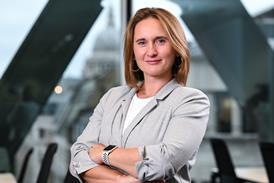
Lomas highlighted Railpen’s work on shareholder rights, particularly its support for the principle of ‘one share, one vote’. Lomas’ colleague Caroline Escott is chair of the Investor Coalition for Equal Votes, which lobbies against dual share class structures that erode minority investor voting rights.
“We have seen an increasing prevalence of dual-class share structures, and we don’t think this is great because it means that there’s potentially less alignment with ordinary shareholders and pension fund members,” Lomas said.
How mega-IPOs could reshape equity portfolios as SpaceX secures record listing

Elon Musk’s technology giant SpaceX has debuted on US investment markets with one of the largest initial public offerings in history. But some investors are concerned about its valuation and its use of dual class shares to dilute shareholders’ voting rights, as Nick Reeve reports. Read the full article.
Railpen is also seeking outcomes, including greater transparency around voting rights and stronger recognition of shareholder protections among policymakers, he added.
“The strategy also places greater emphasis on public policy engagement, which is an increasingly important stewardship lever,” Lomas explained.
“There are many different ways that pension funds can engage with the market and with companies. We’ve talked about bottom-up engagement, but there’s policy engagement, there’s collaboration, there is voting, and there’s also doing good research and looking at new emerging topics.”
A more focused approach to sustainability and nature issues
Climate and nature remain key themes within Railpen’s stewardship programme because of the financial risks they pose across multiple sectors. However, Lomas explained that Railpen had chosen a more targeted approach.
Lomas said the scheme has focused its nature work on areas where investors can have greater influence, such as biodiversity and water-related risks.
He said: “I think the challenge here is that nature, in particular, is such a broad subject, and there are so many different areas you could focus on. If you focus it down onto some specific areas where you think you can make a difference as an investor, then it empowers you to really focus on where you can have an influence.”
Company-level engagement was more important than taking a ‘systemic approach’, he continued, explaining: “There are so many things you could engage on, but you really have to be focused on what’s actually good for the long-term value of the company and therefore in the interests of members.”