











Kate Upcraft of the Association of Member Nominated Trustees recounts her experience as an elected scheme representative and why the role is so important for pension funds of all kinds.

In the world of pensions, you can’t leave things to chance. For example, without actively engaging in where our defined contribution (DC) pensions are invested, our pots may well be smaller.
But sometimes, chance does intervene. So it was with me becoming a member-nominated trustee (MNT).
At the end of 2021, I’d tried to move my employment tax lecturing business to delivering online, but it just wasn’t possible to explain complex calculations and tax legislation over Zoom. Tax can be hard enough face-to-face in the classroom, after all. So I decided it was time to say goodbye to tax, at least in the lecturing sense. Sadly, it’s not optional, even in retirement!
Then into my inbox came a ‘Pensions Update’ from Marks & Spencer (M&S). Being an engaged member, I read it and saw there was a trustee vacancy from the following April. After a few days of pondering, I decided to throw my hat in the ring as this coincided with the end of my final trading year in March 2022.
I was a deferred member, having left M&S in 2001 as one of the company’s payroll managers with 20 years’ service in a non-contributory defined benefit (DB) scheme. Along the way, I’d married a commercial manager at M&S who also left after more than 20 years. Clearly, we had a lot of skin in the game and a great deal to be thankful for in respect to pension provision. It felt right to offer to put something back.
After a rigorous selection process, I was fortunate to be appointed for a five-year term that began in April 2022. From the outset, I never felt that I was one of the ‘lay’ members of the board. All of us, regardless of background, are required to study the Pensions Regulator’s Trustee Toolkit and achieve our Pensions Management Institute trusteeship qualification within 12 months of appointment.
Call for action on member representation as lay trustee numbers fall by a third

The number of member-nominated trustees recorded by the regulator has been shrinking at a rate of about 7% a year since 2018, according to an analysis of TPR data obtained through a Freedom of Information Act request. Read the full story.
Support for success
We were supported in this through training sessions organised for us by our executive team, but it’s fair to say everyone who joined was daunted by the idea of going back to study and take an exam after so many years. But during those 20 years since I left the company, I developed skills that I know have added value during my tenure as a trustee.
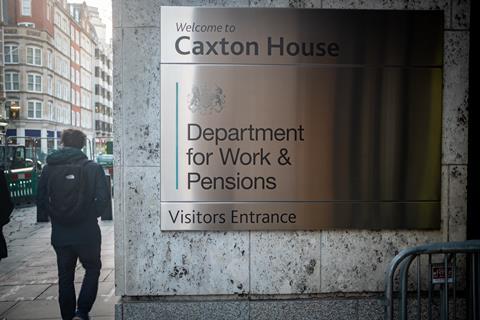
This was one of the themes of the recent AMNT response to the Department for Work and Pensions’ (DWP) consultation on trusteeship. The only distinction around our boardroom is that some of us are scheme members and others are there either as sponsor representatives or because they have a specific skill set – for example, in investment or ESG.
We are not divided into professional and lay trustees. But since joining the AMNT committee and meeting other trustees, I realise that I’m very fortunate to be part of a scheme that places such importance on support and training for trustees to perform their crucial role. For trustees who are still employed by the sponsor, that is not always the case.
Despite legal protection having been in existence since 1996 for paid time off to attend meetings, complete training, and take exams, too many trustees don’t get what they are entitled to when they agree to take on the role in addition to their day job. This should include their workload being adjusted to accommodate their additional responsibilities. We made this point strongly when we met with the DWP and the pensions minister in February, ahead of the consultation closing.
Responsibility and representation
Being a trustee is not a vocation, but those undertaking this vital role should be treated with respect, whatever their background. We have been appointed and ‘trusted’ to look after the interests of members, who also have legal rights to a worry-free ‘wage in retirement’ that their scheme membership provides. In my case, this is around 100,000 members, the vast majority of whom are, like me, female, part-time and fitting work around family responsibilities.
“I feel a huge responsibility to [scheme members] to make sure their pension arrives in their bank account each month, just as they arrived for work, day in, day out.”
Kate Upcraft, AMNT
Our average pensions may be small in financial terms, but they make a real difference to the quality of life of our members. I feel a huge responsibility to them to make sure their pension arrives in their bank account each month, just as those members arrived for work, day in, day out – and the retail sector is no picnic, I can assure you.
As I come to the end of my five-year term as a member-nominated trustee, I feel privileged to have had the opportunity to represent the members who nominated me.
As DB gives way to DC megafunds and collective DC vehicles, there must be a place for MNTs in all those schemes. We have a unique perspective.
Oh, and … please don’t call us ‘lay trustees’. We don’t lack specialised knowledge, training, or professional expertise. Far from it!
Kate Upcraft is a member of the Association of Member Nominated Trustees and a trustee at the Marks & Spencer Pension Scheme.