
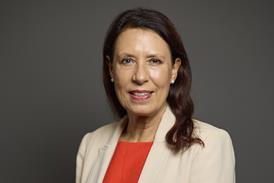



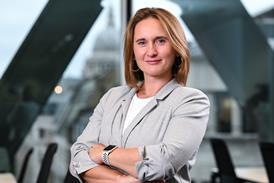






The impact of artificial intelligence (AI) on pensions is both “exciting and intimidating” from a trustee perspective, according to Helen Dean, chair of the Standard Life Mastertrust.
Speaking at an event in London hosted by the World Pensions Conference and the Pensions Management Institute last month, Dean acknowledged that AI technology may make pensions administration more efficient, but that there was also an opportunity to achieve the “holy grail” through improved engagement to encourage members to make informed decisions.
“It’s personalisation, from a trustee perspective, that is really interesting and powerful,” said Dean, explaining that this could be achieved by amassing data, personalising it, and presenting it back to individual savers.
“That starts to engage them with the reality of how their pensions are invested and give them some really meaningful, personalised information,” said Dean. “That empowers them, helps them to make decisions, and perhaps even makes them feel excited and proud of the way they’re investing in pensions.”

Australia eyes AI adoption
Nick Sherry, co-chair of TeamSuper, the Australian transport, energy and mining pension fund, explained how his board has shifted its position on AI to one that seeks to use it to assist members approaching retirement.
“If we don’t, as a trustee, provide this intelligence for our members in their best interests, they’ll go and get it from some other source over AI.”
Nick Sherry, TeamSuper
Australia has a means-tested state pension that changes every year according to an individual’s assets and income.
“That’s horrifically complex because all of our members who move into retirement are subject to the means test,” said Sherry. “It ends up not applying for about half, because their income and assets are too low. But for about a quarter of our members, this constant change is complex and costly.”
Decision-making about how to draw income in retirement relies largely on subjective opinions, he said, but AI could help members receive a more objective view of forecast expenditure, while factoring in means-tested benefits.
Sherry – a former pensions minister in the Australian government – warned: “If we don’t, as a trustee, provide this intelligence for our members in their best interests, they’ll go and get it from some other source over AI.
“That really frightens me – that social media and influencers will be the alternative for some people seeking financial help and advice. I’d much rather the fund does it.”